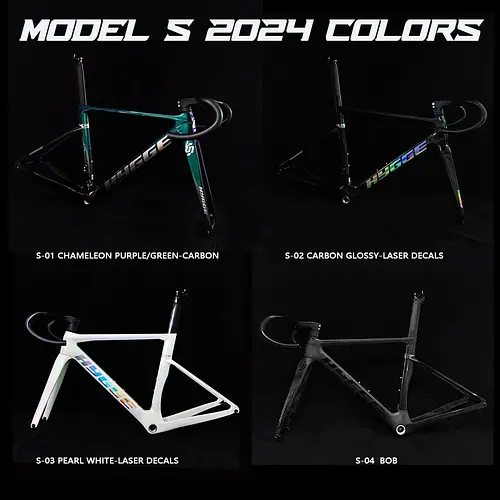
HYGGE MODEL S CARBON FRAME
FrameThe HYGGE Aerodynamic carbon frame MODEL S is a budget-friendly Chinese carbon frameset, typically priced around $550-600 USD with shipping. It includes a frame, fork, integrated handlebar, and seatpost. The frame is made of carbon fiber, with newer EPS-molded versions offering smoother internal surfaces. Typical frame weight is around 963-1060g (size dependent), fork 349-386g, seatpost 133-200g, and handlebar 328-350g. It uses a BSA threaded bottom bracket, flat mount disc brakes, and has a proprietary seatpost design. The frame is generally described as stiff with good power transfer, though some note flex in the fork and rear triangle. Tire clearance is limited, with 28mm tires often measuring 30-32mm, and 32mm being the absolute maximum, especially in the front. Common issues include headset play (with some users reporting gaps between the headset cap and frame), seatpost slipping (improved with newer clamps), and quality control inconsistencies like paint defects, rough internal edges, and subpar hardware. Some shipments may arrive missing parts such as thru axles, requiring follow-up with customer service. Customer service and warranty support are mixed, with some reporting difficulties in getting issues resolved. Despite these issues, users praise its value and performance, noting it is fast in aero positions and efficient on flat terrain.
AI Summary
Pros
- Excellent value for money, offering a complete carbon frameset with handlebar and seatpost for around $550-600 USD
- Frame is stiff with good power transfer and responsive handling, suitable for racing and fast riding
- Paint quality and appearance are generally praised, with attractive color options and laser decals
more pros in the review
Cons
- Common headset play issues due to poorly fitting compression rings (C-rings) and spacer alignment problems
- Seatpost slipping occurs for some riders, though newer clamp designs and higher torque (6Nm) with carbon paste help
- Quality control inconsistencies: paint defects (microblistering), rough internal edges, subpar hardware (soft bolts, rusting), and poor customer service/warranty support
more cons in the review
Key Points
- BSA threaded bottom bracket
- Flat mount disc brakes (160mm front, 140/160mm rear possible with adapters)
- Proprietary seatpost design (no zero-offset option available)
more key points in the review
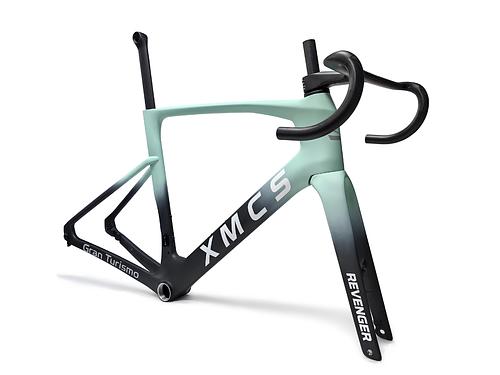
XMCS Gran Turismo
FrameThe XM Carbon Speed XMCS Gran Turismo frameset is an aero road bike with endurance geometry, featuring high stack and low reach for a comfortable yet aerodynamic riding position. It uses T800 carbon fiber with T47 bottom bracket (T47i internal preferred for stiffness/aero), UDH hanger, and internal cable routing. The frame is praised for its build quality, smooth ride comfort, and stable handling due to long chainstays (422mm). Price ranges from ~$1009 (unpainted) to ~$1350 (painted with handlebar), though some regions see higher pricing (e.g., $1200 discounted from $1600). Weight is approximately 997g for frame (size 56, raw carbon) and 383g for fork. Paint jobs are available but decals (especially "Revenger") are controversial; newer frames may have fewer mandatory decals. Some early units had seatpost tolerance issues (sticking), but manufacturer states these are resolved in later production, and a new v2 seatpost with dual-bolt adjustment is now available. Riders report excellent comfort and responsiveness, with some experiencing saddle rail slippage (often resolved by changing saddles) and occasional front brake rub when out of the saddle, possibly due to fork flex or caliper compatibility. A one-piece riser handlebar option is available. Recent builds include a high-stack setup for an older rider who rode 500 km home on delivery day; one buyer received the integrated bar without its clamp bolts, which XMCS replaced. Some find the slim seatpost looks out of proportion. The frameset continues to receive positive long-term reviews, with users noting it is faster than previous bikes and that Peter actively incorporates customer feedback.
AI Summary
Pros
- Excellent build quality and finish, with top-tier carbon layup and attention to detail
- Comfortable yet aerodynamic ride, with smooth handling and good stability (especially descending)
- Good value for money compared to Western brands, with responsive customer service from Peter/XMCS
more pros in the review
Cons
- Early production frames had seatpost tolerance issues causing sticking/seizing, even without carbon paste
- Slack seat tube angle (73°) combined with setback seatpost may limit forward saddle position for some riders
- Limited tire clearance (max ~35mm with 4mm clearance), and long chainstays don't improve clearance
more cons in the review
Key Points
- T800 carbon fiber construction
- T47 bottom bracket (preferably T47i internal)
- Endurance geometry: high stack, low reach
more key points in the review
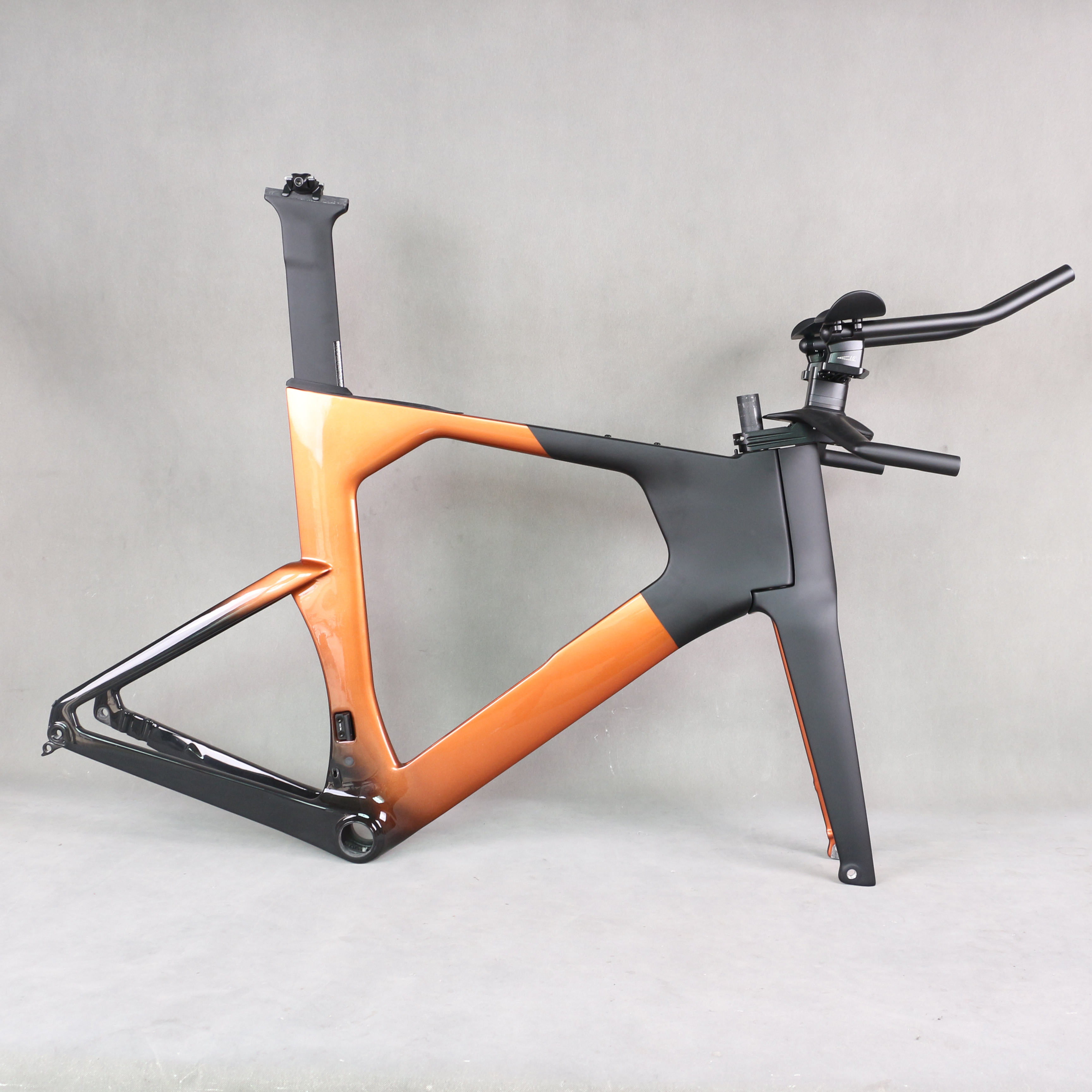
TanTan TT912 UCI Certification Carbon Fiber Time Trial Triathlon Bicycle Frame
FrameThe TanTan TT912 is a UCI-certified carbon fiber time trial/triathlon frame, described as a 2019/2020 disc-brake revision of an older rim-brake design with modern fat-tube aesthetics. Users report it's a cost-effective alternative to expensive brands like Canyon Speedmax or Cervelo P-Series, especially for self-builds. Key attributes include: price varies based on configuration (custom paint jobs cost extra, e.g., USD 280), frame weight around 1.6 kg (with accessories), total build weight approximately 10.3 kg with mechanical components, material is carbon fiber, standards include BB386-24 bottom bracket, SRAM UDH-style derailleur hanger, and clearance for up to 32 mm tires. It features storage options like a top-tube bento box mount and internal triangle storage, but quality control issues are common.
AI Summary
Pros
- Cost-effective alternative to high-end TT/triathlon bikes from major brands.
- Modern, aggressive aesthetic with fat tube profiles that look menacing and stylish.
- Good tire clearance, capable of fitting up to 32 mm tires, providing versatility.
more pros in the review
Cons
- Quality control issues: scratches on delivery, missing screws, obstructed cable routing holes, and incorrect parts sent.
- Persistent headset rocking/looseness issues requiring multiple adjustments and additional spacers.
- Seatpost too long for some riders, requiring cutting, and saddle clamp prone to loosening.
more cons in the review
Key Points
- UCI-certified carbon fiber frame
- BB386-24 bottom bracket standard
- SRAM UDH-style derailleur hanger
more key points in the review
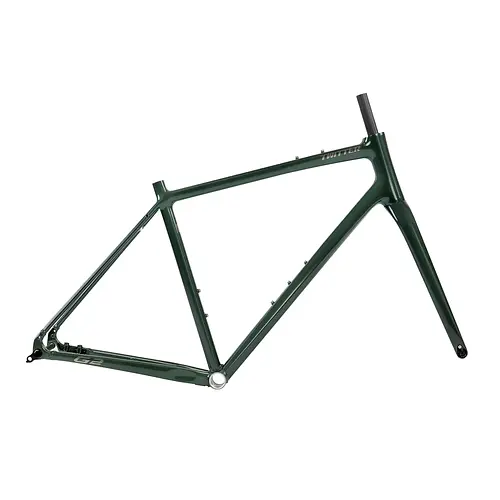
TWITTER G2 Aluminum Gravel
FrameThe Twitter G2 is a budget aluminium gravel frameset with UDH, a threaded BSA bottom bracket, internal routing and a 27.2 mm seatpost. The original G2 weighs about 1,530-1,620 g (1,610 g in L) with a 420-440 g fork and fits about 45 mm tyres: a 37 mm tyre leaves 9-11 mm. In mid-2026 it was replaced by the G2 Max, with 50 mm clearance, a fork with eyelets, new colours and a different seatpost size, but a heavier frame (1,808 g in M, fork 458-470 g). The price rose by about 70 EUR to around $335 for the frameset, with AliExpress stores differing by about $50. Builds land around 9.2-9.3 kg with Di2. Owners find assembly straightforward and the geometry close to a Carbonda CFR696, making it a solid all-rounder they need not worry about scratching. Downsides are inconsistent included parts, rough finishing and small paint damage, slow and changing deliveries (one order switched to the G2 Max and took three months), and third-party cockpits that may need custom compression rings.
AI Summary
Pros
- Excellent value for money with modern features like UDH, threaded BSA, and internal routing
- Good weight for an aluminum frameset (approximately 1.53-1.62kg for frame)
- Versatile for commuting, gravel, and winter riding with decent tire clearance (fits 40-45mm tires)
more pros in the review
Cons
- Inconsistent component inclusion - some frames arrive without headset, seatpost clamp, or front derailleur cable stop
- Quality control issues including rough fork finishing and potential brake mount facing needed
- Limited information and brand authenticity concerns with minimal online presence
more cons in the review
Key Points
- UDH compatible
- Threaded BSA bottom bracket
- Internal cable routing
more key points in the review
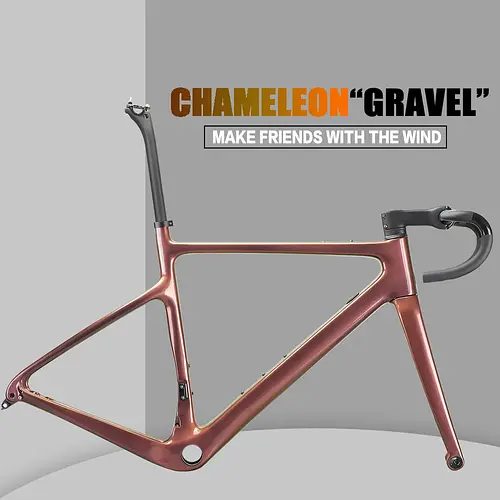
AIRWOLF YFR068
FrameThe Airwolf YFR068 is a carbon gravel frame, often described as a clone of the Cervelo Aspero 5, sold primarily via Aliexpress. It features a D-shaped steerer tube for fully internal cable routing, a BBright bottom bracket, and a flip-chip fork. Typical attributes include a frame weight around 1149g (painted 54cm), fork weight around 446g, and a carbon construction. It comes as a frameset including handlebar, stem, seatpost, headset, thru-axles, and a bottom bracket. The geometry matches the Aspero across sizes (48, 51, 54, 56, 58cm). Tyre clearance is officially stated as 700x40c but users report it can accommodate up to 45-48mm tyres, similar to the Aspero. The frame lacks fender mounts and extensive bikepacking mounts, positioning it as a race-focused gravel bike. Custom paint options are available, though quality control and communication with the seller (Airwolf) are frequently cited as inconsistent.
AI Summary
Pros
- Good value for money, offering Aspero-like geometry and performance at a lower cost.
- Respectable weight for a complete frameset, with a lightweight carbon frame and fork.
- Excellent tyre clearance, capable of fitting up to 45-48mm tyres despite the official 40mm rating.
more pros in the review
Cons
- Frequent and significant headset issues, including bearing fit problems, fork rubbing on the frame, and persistent play that is difficult to eliminate.
- Poor quality control and inconsistent tolerances, affecting parts like brake mounts, seatpost fit, bottle boss rivnuts, and frame/fork paint.
- Unreliable and slow customer service from Airwolf, with difficulties in communication, obtaining replacements, and resolving disputes.
more cons in the review
Key Points
- Geometry identical to Cervelo Aspero 5
- D-shaped steerer tube for internal routing
- BBright bottom bracket standard
more key points in the review
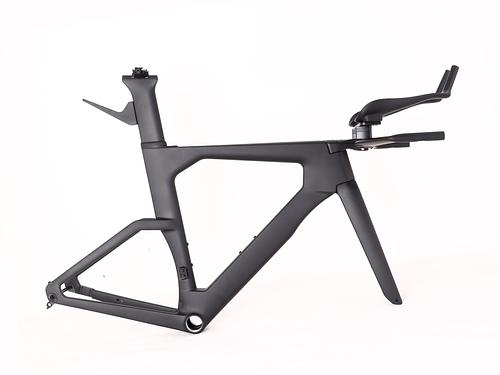
VeloBuild VB-TT-023
FrameThe Velobuild VB-TT-023 is a carbon TT/triathlon frameset with Trek Speed Concept-like geometry, a T47 (86.5 mm) BB, disc brakes, UDH and a modular cockpit of stem, basebar and extensions with stack spacers (Velobuild supplies up to about 10.5-12 cm). It costs around EUR 1000 delivered to Germany, builds weigh about 9-10 kg, and the same frame is sold as Dolan TR2 and Sunpeed Interstellar. Owners call it stiff, fast and great value; complete builds start around $2,450 with Chinese parts. The cockpit is the weak point: the original carbon stem cracked or slipped, and even with the updated alloy stem (which needs 8-10 Nm on the steerer and a C-shim) basebars have rotated in the clamp while riding and creaking under out-of-saddle load is common. Velobuild sent one owner a stem machined 0.7 mm tighter, but a second creak report went unanswered. Other recurring points: seatpost slip (carbon paste in the seat tube, 6.5-8 Nm), headset bearing fit and wrong bearings on some frames, no Di2 battery holder, thru-axles with 1.5 mm pitch (ask for 1.0 mm for SRAM UDH direct mount), and a long, wide stock basebar that many cut down. There is no XL; Trek's sizing is a good guide, and taller riders on the L end up with a compact position. Customer service from Chris is fast for some and silent for others.
AI Summary
Pros
- Stiff and fast with strong value; owners set PRs and rate it highly
- Very affordable builds: around EUR 1000 for the frameset and from about $2,450 complete
- Updated alloy stem is a clear improvement over the carbon one and easier for routing
more pros in the review
Cons
- Cockpit slip and failure: the old carbon stem cracked or slipped, and basebars have rotated in the clamp while riding even after reinstalling
- Creaking from stem or basebar under out-of-saddle load, even after a replacement stem
- Customer service is inconsistent: fast replacements for some, silence for others (including a promised fork)
more cons in the review
Key Points
- T47 BB, 86.5 mm shell; SRAM DUB T47 85.5 mm BBs used successfully
- Geometry similar to Trek Speed Concept; sizes up to L (no XL)
- UDH; thru-axle 165 mm with 1.5 mm pitch (request 1.0 mm for SRAM UDH)
more key points in the review
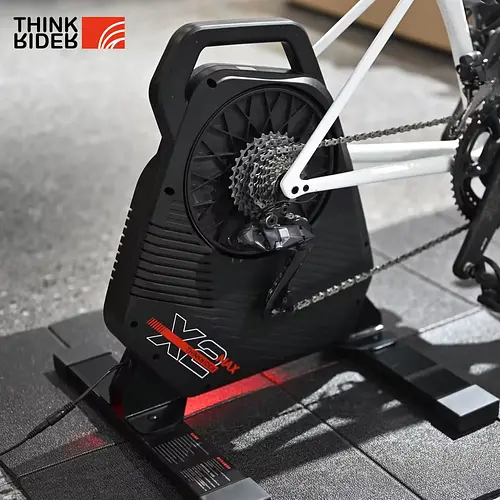
ThinkRider X2Max Smart Bike Trainer
Smart-TrainerThe ThinkRider X2Max is a budget smart trainer sold primarily through AliExpress, gaining attention for its low price (around $230–$280 USD, or €270–€400 in the EU) compared to established brands like Wahoo or Elite. Users report it is quiet, easy to set up, and offers smooth ERG mode and fast resistance changes. It includes adapters for thru-axle and quick release, and works with apps like Zwift, MyWhoosh, and Rouvy. However, power accuracy is a common concern, with some units reading 5–10% higher or lower than dedicated power meters, and there is no in-app calibration offset. A newer version with a carrying handle and fully enclosed design has been released. Long-term durability and warranty support remain open questions.
AI Summary
Pros
- Very quiet operation, quieter than older Kickr models
- Excellent value for money, often half the price of a Wahoo Kickr Core
- Easy setup with included adapters for thru-axle and quick release, and an English manual
more pros in the review
Cons
- Power accuracy can be off by 5–10% compared to dedicated power meters, and there is no in-app calibration offset
- Some units develop resistance spikes or drops after firmware updates
- Power supply unit feels cheap and may be a weak point
more cons in the review
Key Points
- Price: ~$230–$280 USD (US), €270–€400 (EU), often half the price of a Wahoo Kickr Core
- Weight: not specified, but power supply is noted as lightweight and possibly low quality
- Material: not specified, but build quality is described as solid
more key points in the review
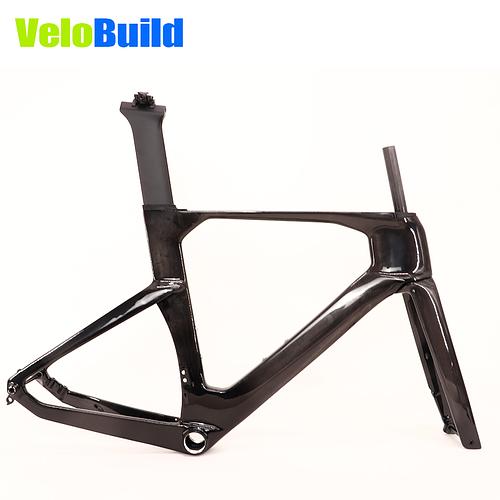
Velobuild VB-R-368
FrameThe Velobuild VB-R-368 AeroTrace is a direct-sale aero road frame with deep tube profiles, a TT-style seatpost and aggressive, progressive geometry (steep seat tube, long reach in large sizes). It uses T800 carbon (the newer Pro version T1000, about 150 g lighter with a deeper fork and an improved seatpost wedge), T47 and UDH. Real frames weigh 1300-1500 g against a quoted 1100 g, and complete builds about 8.5 kg. Owners call it surprisingly comfortable, stable and fast, and say it holds its own against much pricier aero bikes; one rode side by side with a Canyon Aeroad at similar power. The proprietary headset and spacer system limits cockpit choice, though standard stems fit with Velobuild's covers, and the supplied crown race is not needed. Recurring issues: seatpost slipping, an early chainstay that hit SRAM derailleurs (revised), overspray and brake mounts that need facing, occasional BB seating problems, fiddly rear brake routing and missing small parts. Shipping takes about 11-17 days after dispatch, and Velobuild has replaced defective frames. Creaks reported from the BB area are often the thru-axles.
AI Summary
Pros
- Aggressive, forward-leaning geometry with steep seat tube angle and long reach (especially in larger sizes) is praised for enabling an aero position.
- Unique, bold aero design with deep tube sections that many users find visually appealing and 'fast-looking'.
- Surprisingly comfortable ride quality, with the deep carbon tubes providing good vibration damping.
more pros in the review
Cons
- Frame weight is significantly higher than quoted; real-world weights are often 1300-1500g+, making it heavy for an aero frame.
- Proprietary headset and spacer system is awkward, limits cockpit options, and the implementation (especially early spacers) is criticized as ugly or poorly designed.
- Widespread issue with seatpost slipping, even at high torque, requiring fixes like grip tape, epoxy, or shims. Some users also report seatpost creaking.
more cons in the review
Key Points
- Material: T800 (standard) or T1000 (Pro, about 150 g lighter, deeper fork, improved seatpost wedge)
- Quoted frame weight about 1100 g (M); real frames often 1300-1500 g; complete builds about 8.5 kg
- T47 BB (85.5 mm SRAM BBs used fine); UDH hanger
more key points in the review
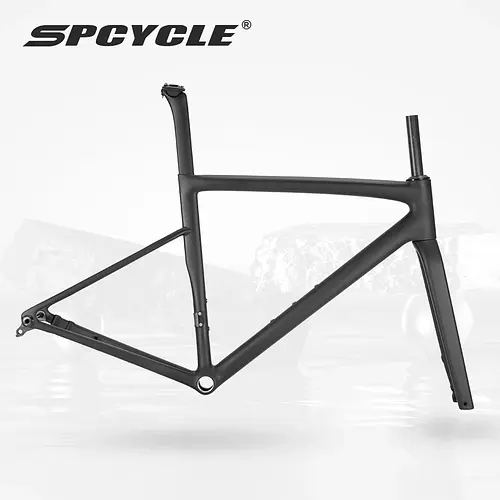
Spcycle R088
FrameThe SPcycle R088 is an SL8-style carbon road frame and one of the most-built Chinese frames in the forum. It has a BSA threaded bottom bracket, UDH, flat mount brakes and a D-shaped seatpost (0 or 15 mm offset). Measured frames weigh about 780-915 g depending on size and paint, with the fork around 390 g. Builds of 7-8 kg are common and the ride is described as close to an SL8: fast, stiff yet comfortable, stable at speed. SPcycle told a buyer it created the mould in 2024 and later opened it, selling moulds to TanTan (TT-X70). With AliExpress coupons the frameset with an integrated bar has been about 538 EUR. Practical weak points recur across builds: - headset play from a short expander plug; - a misaligned front derailleur mount that needs shimming; - a seatpost wedge that sticks; - rivnuts and a ridge in the seat tube that get in the way of Di2 and LTWOO batteries; - inconsistent paint, with matte finishes scratching easily. Real tyre clearance is about 34 mm measured; wider tyres leave witness marks. Compared with the Light Cycling RF10/SPcycle R099, the R088 is about 100 g lighter, cheaper and has a BSA bottom bracket, while the RF10 clears wider tyres.
AI Summary
Pros
- Light and good value: builds commonly land at 7-7.5 kg (about 8.1 kg with 105 Di2 and 50 mm wheels), far cheaper than the SL8 it imitates.
- Ride is fast, stiff yet comfortable, agile when climbing and stable on descents, including at 70 km/h.
- Standard interfaces (BSA threaded BB, UDH, flat mount, regular headset bearings) make parts easy to source; owners value the BSA bottom bracket over T47 or press-fit.
more pros in the review
Cons
- Headset play is common, usually from a too-short expander plug or C-ring height; fixed with a longer plug, sanding or microspacers.
- The front derailleur mount is often misaligned and needs shimming.
- The seatpost wedge can stick so hard that it has to be knocked loose with a mallet, which makes saddle height changes a chore.
more cons in the review
Key Points
- Frame weight about 780 g unpainted (±50 g); measured 790 g (52 raw gloss), 870 g (54 metallic), 904 g (56 painted), 915 g (58 matte).
- Fork about 390 g.
- BSA threaded bottom bracket.
more key points in the review
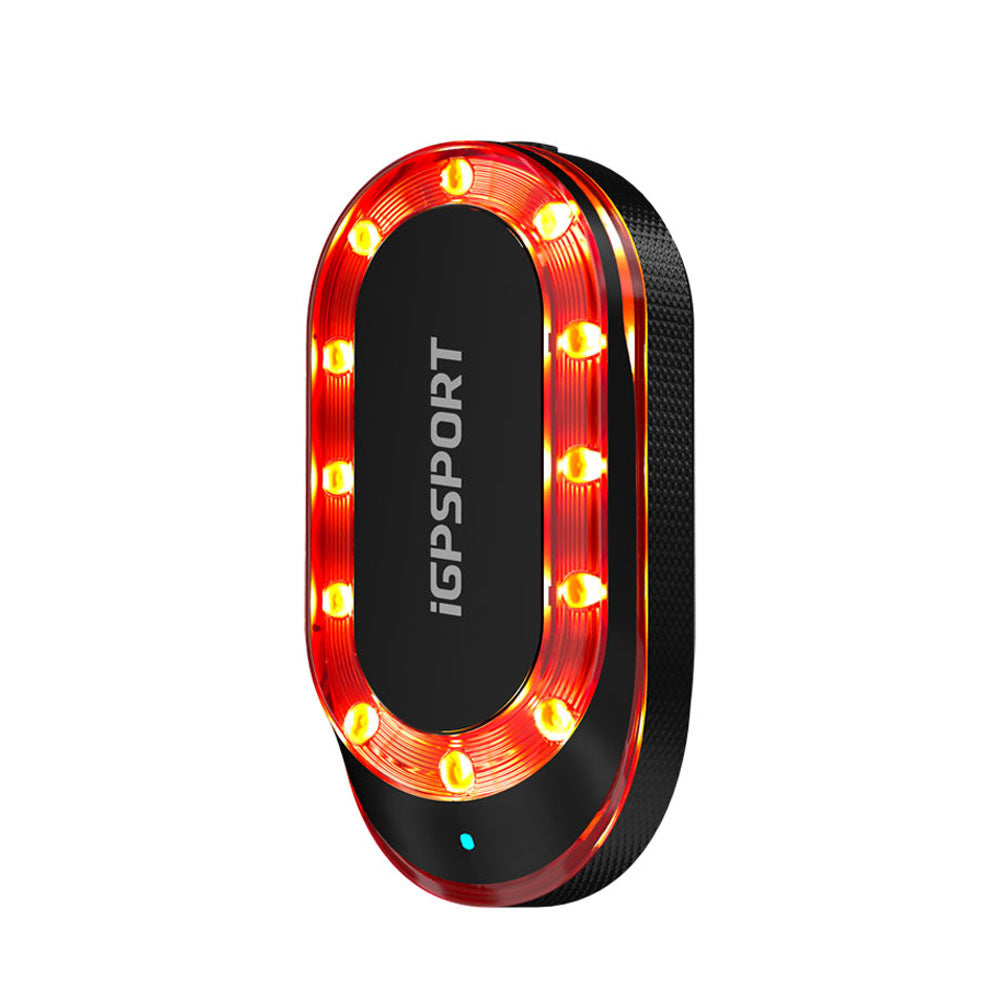
iGPSPORT SR MINI Smart Radar Taillight Bicycle Rear Tail Light with Smart Brake Warning Smart Bicycle Taillight
RadarThe iGPSPORT SR Mini is a compact radar tail light (49 g plus a 28 g saddle-rail mount) costing about $79-99, or about 63 EUR with an AliExpress coupon. It connects via ANT+ to Garmin, Wahoo and iGPSPORT computers. Owners rate the detection highly: cars are tracked from 140-160 m (occasionally 180 m), with 3-4 vehicles at once. False positives are few, mostly e-bikes and turns at intersections, and it compares well with the Magene L508. Firmware matters. Version 1.07 made readings erratic, with false positives and negatives and cars turning red only after passing; 1.08 restored reliable behaviour. With 1.08 alerts switch from orange to red for nearly every car within about 30 m, which some find 'chirpy'. 1.08 broke auto-sleep for one owner and a powered-off unit stayed discoverable, draining the battery overnight. Battery life depends on settings: about 4 h in cascade mode with the brake-light warning, 7-8 h with a sparse custom flash, and up to 15 h radar-only. The app can set the light to flash only when a vehicle is detected. Other gripes are a mount that can sit loose, a finicky app, multi-LED optics some find less focused than the Varia, and flash modes that may not be street legal in Germany.
AI Summary
Pros
- Excellent detection: tracks cars from 140-160 m (up to 180 m) and 3-4 vehicles at once, with few false positives.
- Better than the Magene L508 in detection, brightness, battery and weight at a similar price.
- Compact and light (49 g) with USB-C charging.
more pros in the review
Cons
- Firmware quality varies: 1.07 made the radar erratic, and after 1.08 one unit no longer auto-sleeps or stays discoverable when off, draining the battery.
- With 1.08 most alerts jump to red within about 30 m, which is noisy if audio alerts are on.
- Battery can be short in bright modes: about 4 h in cascade mode with the brake-light warning.
more cons in the review
Key Points
- Weight 49 g plus 28 g saddle-rail mount.
- Price $79-99; about 63 EUR with an AliExpress coupon.
- Detection range typically 140-160 m, up to 180 m; tracks 3-4 vehicles.
more key points in the review
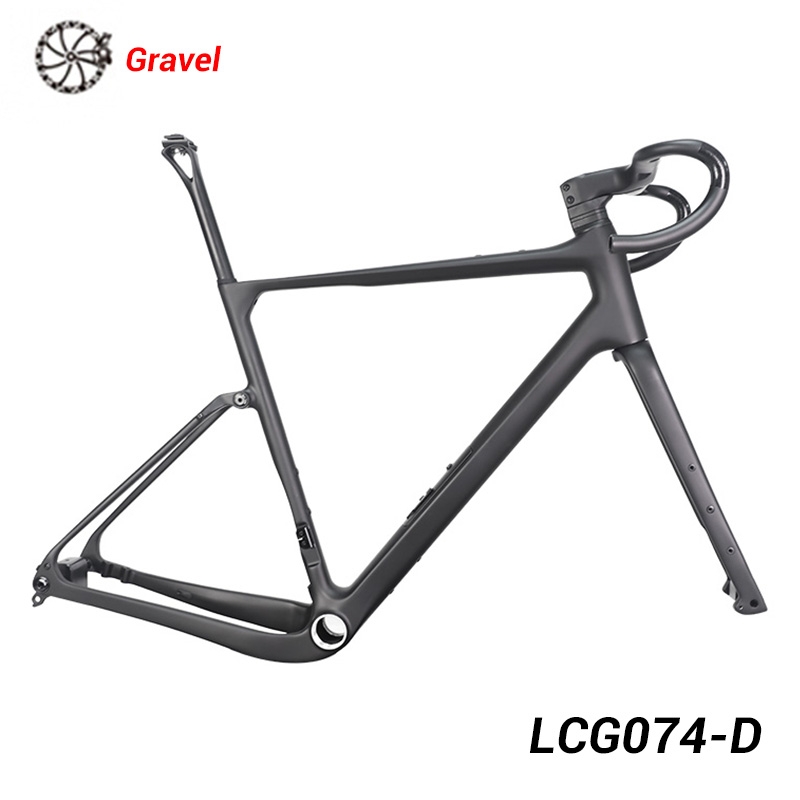
Lightcarbon LCG074-D Gravel Micro Suspension
FrameThe LightCarbon LCG074-D is a gravel frameset based on the LCG071-D with an added micro-suspension pivot (on bearings) that lets the seat and top tube flex for comfort. It has a T47 bottom bracket, UDH, a 1 1/2" straight steerer, an SP03 seatpost and integrated or stem-only cockpits, in sizes 49/52/55/58. Official tyre clearance is 700x50 or 650Bx2.1". One owner measured about 8 mm of clearance around a 45 mm tyre on 32 mm rims and recommends 48 mm for mud; the limit is the lower rear-triangle arms rather than the pivot. Max 1x chainring is 42T on DUB Wide, and the gap to the chainstay is already tight. A size 55 frameset with integrated bar, SP03 post and ceramic BB cost about $890 delivered to Poland; custom paint is $120-180. Measured weights: frame 1,250 g, fork 550 g, seatpost 250 g, bar 450 g. Builds come in around 8.5 kg. Owners like it: - 2,000 km including the Traka 200 without problems; - a comfortable rear where the micro-suspension is noticeable on rough ground, with a stiffer-feeling fork; - well-holding paint. Delivery is the weak point. Quoted two-week lead times turned into about two months when forks or handlebars were out of stock, and paint queues add time. Other issues: tight cable entry holes, an overly long seatpost, very narrow down tube storage and bolts loosening on the first rides. Some find it too soft at speed, and pivot durability remains an open question with no long-term reviews yet.
AI Summary
Pros
- Comfortable rear end: the micro-suspension pivot is noticeable on rough terrain.
- Reliable so far: about 2,000 km including the Traka 200 without problems; paint holds up.
- Good value: about $890 delivered with integrated bar, SP03 seatpost and ceramic BB; complete builds around 8.5 kg for about $2,000.
more pros in the review
Cons
- Lead times are unreliable: a quoted two weeks became about two months when forks or handlebars were out of stock, and paint has a queue.
- The pivot is an extra potential failure point, and no long-term reviews exist yet.
- Can feel soft at high speed with limited damping on rough descents; the front end is not the stiffest.
more cons in the review
Key Points
- Based on the LCG071-D with an added micro-suspension pivot on bearings.
- T47 bottom bracket, UDH, 1 1/2" straight steerer.
- Official tyre clearance 700x50 or 650Bx2.1"; about 8 mm around a 45 mm tyre on 32 mm rims (size 55).
more key points in the review
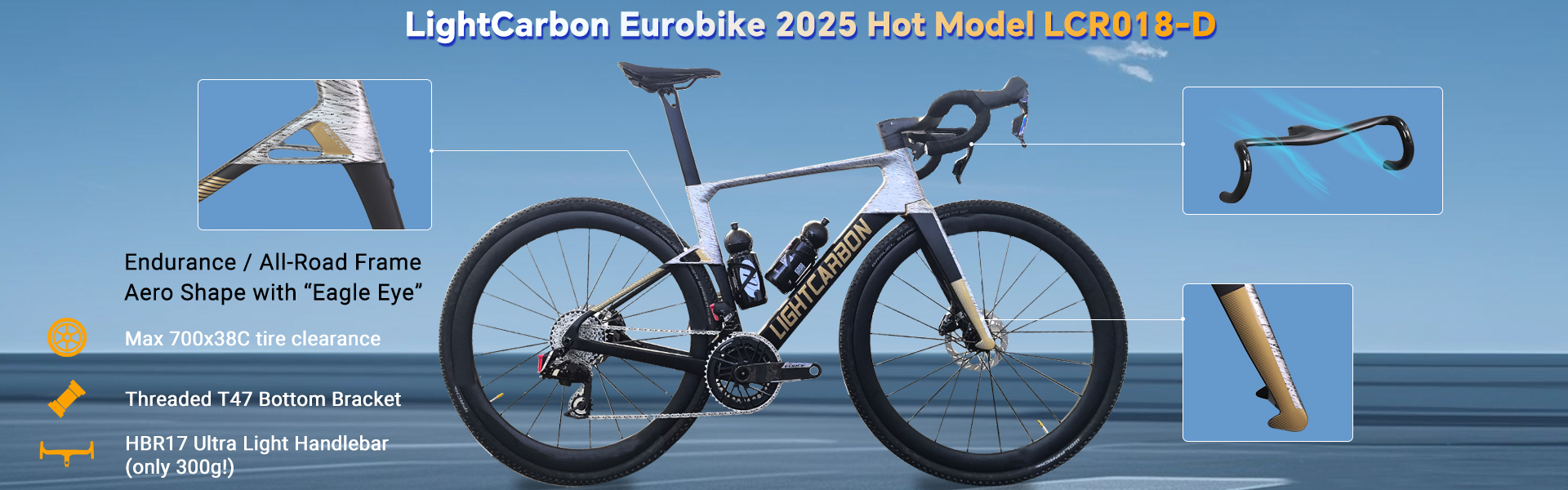
Lightcarbon LCR018-D
FrameThe Lightcarbon LCR018-D is an aero-endurance/all-road carbon frameset with the HBR17 integrated bar (8 mm rise, about 75 mm reach), T47, UDH, a proprietary seatpost (0 or 15 mm offset) and an optional downtube storage compartment. Owners describe the ride as comfortable, stable and fast, close to a Synapse or Stigmata in geometry, and several long-term reports (2,850-5,000 km) are very positive; builds weigh 7.5-8.5 kg. Its early weak points have largely been addressed by Lightcarbon over 2026: the v3 storage door (lever down to lock, free to existing owners) stopped doors opening on their own, and a thicker seatpost plus a seatpost clamp with a milled metal surface, shipped on frames from about August 2026, ended most of the slipping that earlier owners fought with paste, tape and 10 Nm. What remains is mostly workshop work: brake mounts that sometimes need facing, a stock Gineyea or CEMA T47 bottom bracket that several owners found creaky or too tight, and creaks that often turn out to come from the storage door, bottle cage bolts or the seatpost. Lead times are the biggest complaint: custom paint or an out-of-stock HBR17 size pushed orders to 2-3 months in summer 2026, while in-stock unpainted frames arrived in about two weeks. Contact works best through WhatsApp. Frames list from $699 plus paint (about $250 for any customization) and shipping.
AI Summary
Pros
- Comfortable, stable and fast endurance ride; owners prefer it to more expensive bikes and keep praising it after thousands of km
- Excellent value with build quality owners call the most premium-feeling Chinese frame they have had; clean bearing seats, BB and caliper mounts
- Takes wide tyres for an all-road bike: 35-40 mm road and light gravel tyres fit on typical rims
more pros in the review
Cons
- Long and shifting lead times in 2026, often 2-3 months, mainly from custom paint and out-of-stock HBR17 sizes
- Slow or missing replies by email; WhatsApp works better, and updates on delays usually come only when asked
- Seatpost slipping on earlier frames, with some riders still slipping at 9-10 Nm until they got the new clamp; replacing the scratched post is not always free
more cons in the review
Key Points
- Frame from $699 (2026); customization about $250; seatposts SD01/SD02 $49-65
- Frame weight about 960-1200 g by size, measured higher than claimed in some sizes (e.g. 1110 g for a 47); fork 420-460 g
- Complete builds 7.5-8.5 kg
more key points in the review

LTWOO eGR 1x13s Wireless Electronic Gravel Groupset (2026)
GroupsetThe LTWOO eGR is a 1x electronic gravel groupset with hydraulic mineral-oil brakes, now in two generations. The original (v1) uses 14500 cells in a seatpost battery holder wired to the rear derailleur; owners report two years and 1,000+ miles of reliable, fast shifting and better hoods and lever reach than the Wheeltop GeX, but also water ingress, a 2026 change that replaced magnetic charging with unplugging the cable, $20-50 proprietary charging cables, useless left buttons in 1x, and mid-ride shutdowns when a worn battery holder loses contact (a charger wakes it; a new holder fixed it). The 2026 fully wireless eGR (often called v2) has a 400 mAh battery in the derailleur, USB-C charging, a clutch that controls chain slap well, 13-speed support and swappable paddles, for about $287-430. Owners report good waterproofing, 9-20+ hours of riding or months between charges on flat routes, and comfortable hoods, though shifting can feel slightly slower than v1, the left shifter shows a cutout where buttons were removed, and the charging port cover feels flimsy. It is not compatible with v1 shifters. Both generations run large cassettes: 10-51 (tight in the 51), 9-50 and 10-45. SRAM's 13-speed XPLR cassette is too wide even on UDH frames without a 2 mm washer, while LTWOO's own 13-speed cassettes sit further inboard. Calipers use a 70 mm flat mount with adapters and swap with Shimano mineral-oil calipers. LTWOO support is weak; app firmware updates come with no release notes.
AI Summary
Pros
- Fast, reliable shifting with years and 1,000+ miles of trouble-free use reported on v1
- Comfortable tall hoods and adjustable lever reach, better than the Wheeltop GeX
- New wireless version: USB-C charging, good waterproofing and a clutch that controls chain slap well
more pros in the review
Cons
- v1 can die mid-ride when the seatpost battery holder loses contact; plugging in a charger wakes it, and a new holder cured it
- Water ingress in v1 rear derailleurs
- v1 charging: magnetic port dropped in 2026 for an unplug-the-cable design, and proprietary cables cost $20-50
more cons in the review
Key Points
- v1: 14500 cells in a seatpost holder wired to the RD; 10-12 speed; official max 46T
- Wireless (2026, 'v2'): 400 mAh battery in the RD, USB-C, 13-speed, official max 50T, swappable paddles
- Wireless RD is not compatible with v1 shifters
more key points in the review

WHEELTOP EDS GeX Gravel Hydraulic Disc Brake Groupset
GroupsetThe WHEELTOP EDS GeX Gravel Wireless Groupset is a Chinese-made electronic wireless groupset that competes with SRAM AXS and Shimano Di2. It features configurable speed compatibility (7-13 speeds via app), wireless shifting, and competitive pricing around $200-500. Users report generally good shifting performance and lightweight design (350g), but note issues with long-term reliability, battery design changes (from removable to fixed due to suspected patent issues), and inconsistent app functionality. Availability has been spotty, with restrictions in some countries like the US.
AI Summary
Pros
- Lightweight design at 350 grams, lighter than SRAM GX AXS (463g)
- Configurable for 7-13 speed cassettes via smartphone app, compatible with multiple brands
- Competitive pricing, often $200-400, significantly cheaper than SRAM AXS alternatives
Cons
- Long-term reliability issues reported, including shifting failures and mechanical problems after 1000+ miles
- Battery design changed from removable to fixed, potentially due to SRAM patent issues, causing concerns about replacement and runtime
- Inconsistent app functionality, especially on Android, with connectivity and setup problems
more cons in the review
Key Points
- Wireless electronic shifting
- Configurable 7-13 speed compatibility
- Weight: 350g
more key points in the review
TanTan TT-X68
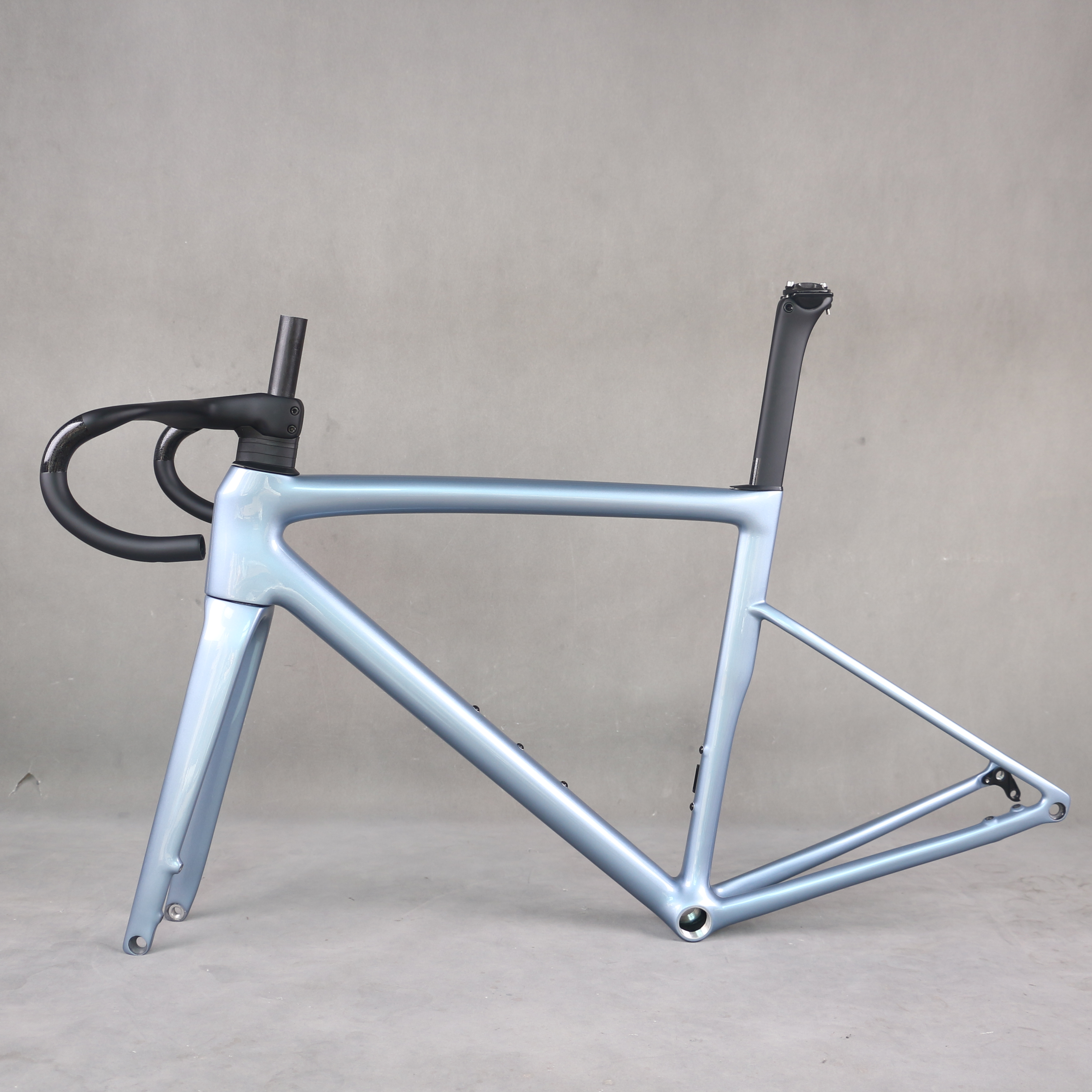
FrameThe TanTan/Seraph TT-X68 is a low-cost copy of the Specialized Tarmac SL8 with BSA bottom bracket, integrated Rapide-style bar, flat-mount disc brakes, internal routing and an optional UDH hanger. A frame kit cost about $589 in 2025, plus about $150 for custom paint, and builds reach about 6.8 kg. The moulds have since been sold and only limited sizes remain. Long-term owners (3,000-5,000 km, including heavy Alpine riding) praise the paint, the clean tube interiors, the ride on flat and rolling roads and the value, and genuine SL8 parts such as axles, hangers, top caps and seatpost clamp hardware fit. The fork is the main weak point: it flexes enough for rotor rub when sprinting, chatters fore-aft under hard braking on steep descents, and early batches used very light (about 330 g) forks, so owners request the heavier 400 g version. Recurring defects include brake mounts that need facing (an over-filed fork had to be scrapped), rear caliper mounts that are not parallel, bottom bracket sleeves that come loose in the carbon (after 6,000 miles on one bike, also on replacement frames), seatpost clamp threads that strip below spec, a soft top cap, rusting stock bolts, computer mount inserts that pull out of the bar, and a flexy stock bar for some. Customer service ranges from very responsive individual reps to warranty refusals and paid replacements. Many creaks turned out to be the rear thru-axle or hanger bolt.
AI Summary
Pros
- Excellent value: frame kit about $589 plus about $150 for a custom paint job
- Paint and finish praised, with clean, almost sanded tube interiors and easy routing for some builds
- Rides well on flat and rolling terrain: responsive and comfortable, close to the SL8 in feel
more pros in the review
Cons
- Fork lacks stiffness: rotor rub when sprinting and fore-aft chatter under hard braking on steep descents
- Early forks were very light (about 330 g) and raised safety concerns; ask for the heavier 400 g fork
- Bottom bracket sleeve can loosen in the carbon, even on replacement frames; repair costs around EUR 260-280
more cons in the review
Key Points
- Copy of the Specialized Tarmac SL8 geometry
- BSA BB; flat mount disc; 140-to-160 mm front adapter supplied
- Tyre clearance about 32 mm (33-34 mm very tight)
more key points in the review